Local material · open participation · visible outcomes

Plastic is material. Keep it in use.

MetaMatter is a Sheffield-based network of designers, makers and educators making local plastic material flows visible. We collect suitable material, show how it is sorted and remanufactured, and connect people to what it becomes.

Why MetaMatter

Most recycling disappears from view. We want to bring part of it into the open.

For most of us, the material journey ends at a bin. Collection, sorting, processing and remanufacture happen somewhere else, largely unseen. That distance makes it difficult to know what happens next — or to feel connected to the value still held in the material.

MetaMatter takes a different approach. We create visible, local routes for selected plastics: collection points people can visit, material journeys that can be followed, workshops where people can take part, and products that make the outcome tangible.

We are not a waste contractor. We are a network of designers, makers, educators, organisations and communities exploring how local material can remain useful and create value close to where it was used.

Material, not waste
We start with the value that remains in plastic and ask what useful next life it can have.
Visible by design
Collection, sorting, making and outcomes are made understandable rather than disappearing into a hidden system.
Participation matters
People can contribute material, learn, make, host a collection point, commission work or help grow the network.
Trace what matters
Different levels of traceability let organisations see contribution, pooled outcomes or organisation-specific material journeys.
Visible circularity

Follow the material journey.

Collect

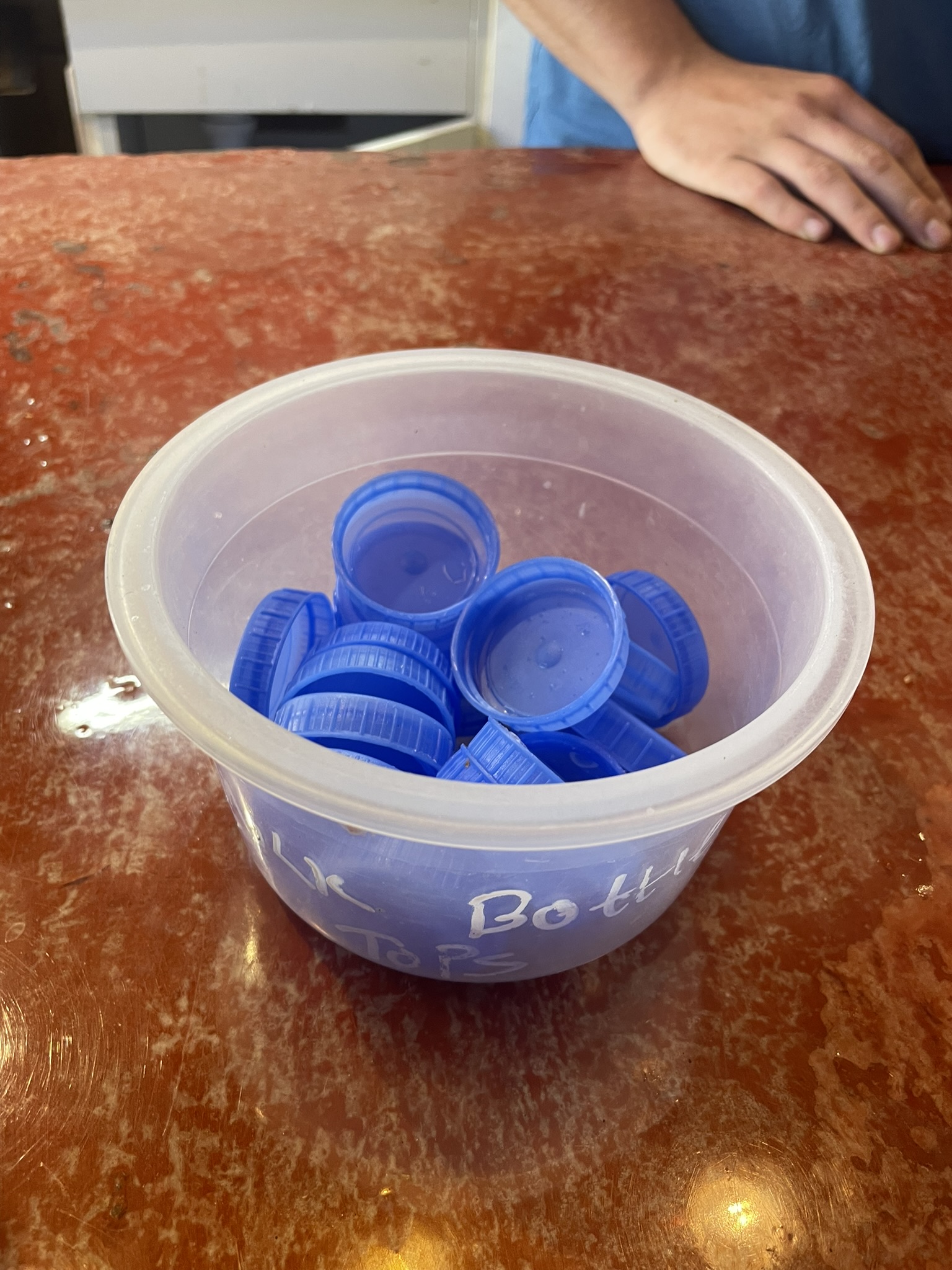
Suitable clean plastic enters the network through registered organisations, workplaces and public-facing collection points.

Identify + sort

We record where material came from, identify the polymer and separate it into useful material streams.

Process + make

Material is prepared and remanufactured into products through a growing network of makers and manufacturing partners.

Show what happened

Products, projects and digital records reconnect the outcome with the material, people and places behind it.

A practical starting point

Make the transformation visible in the places people use every day.

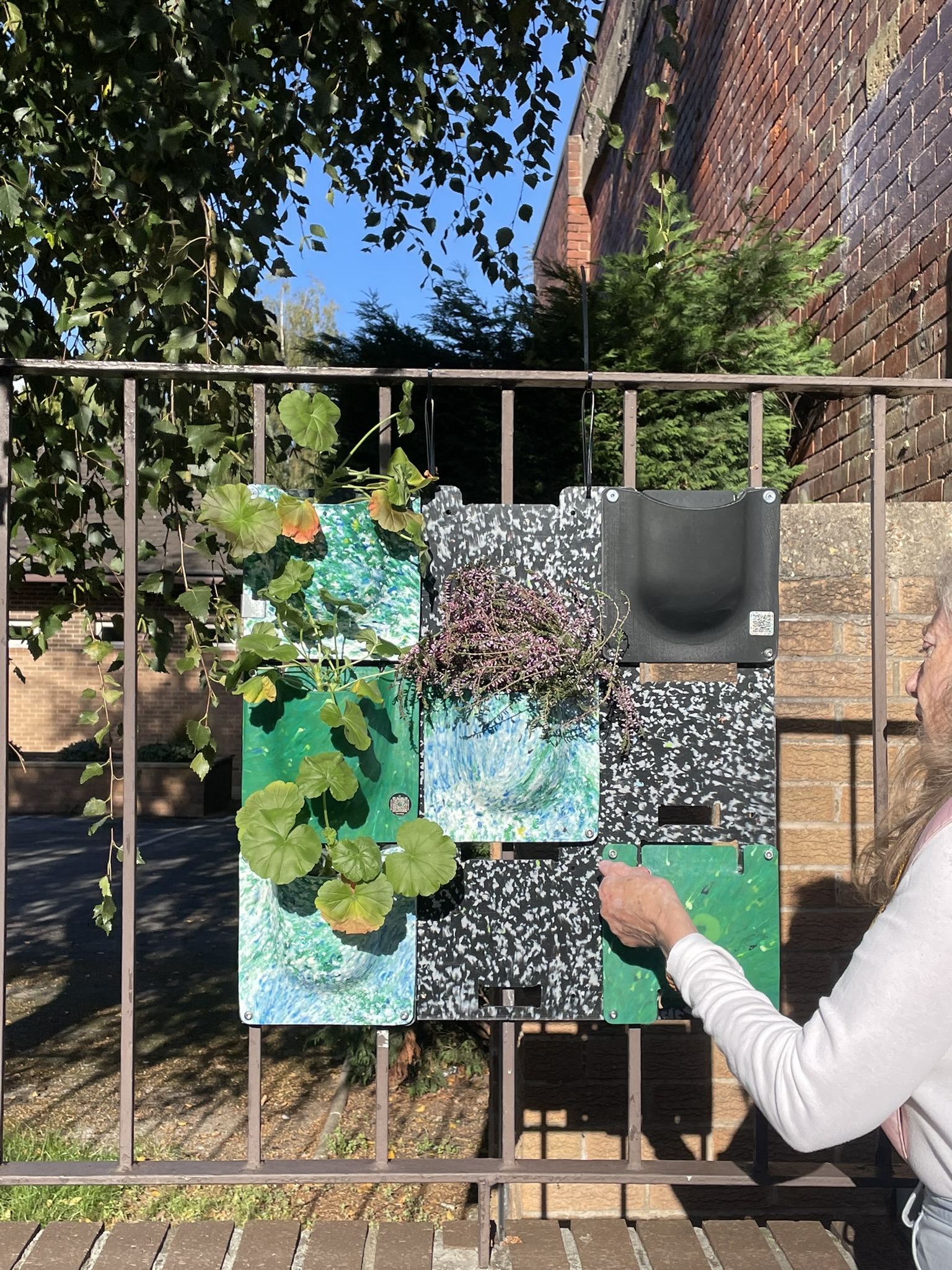
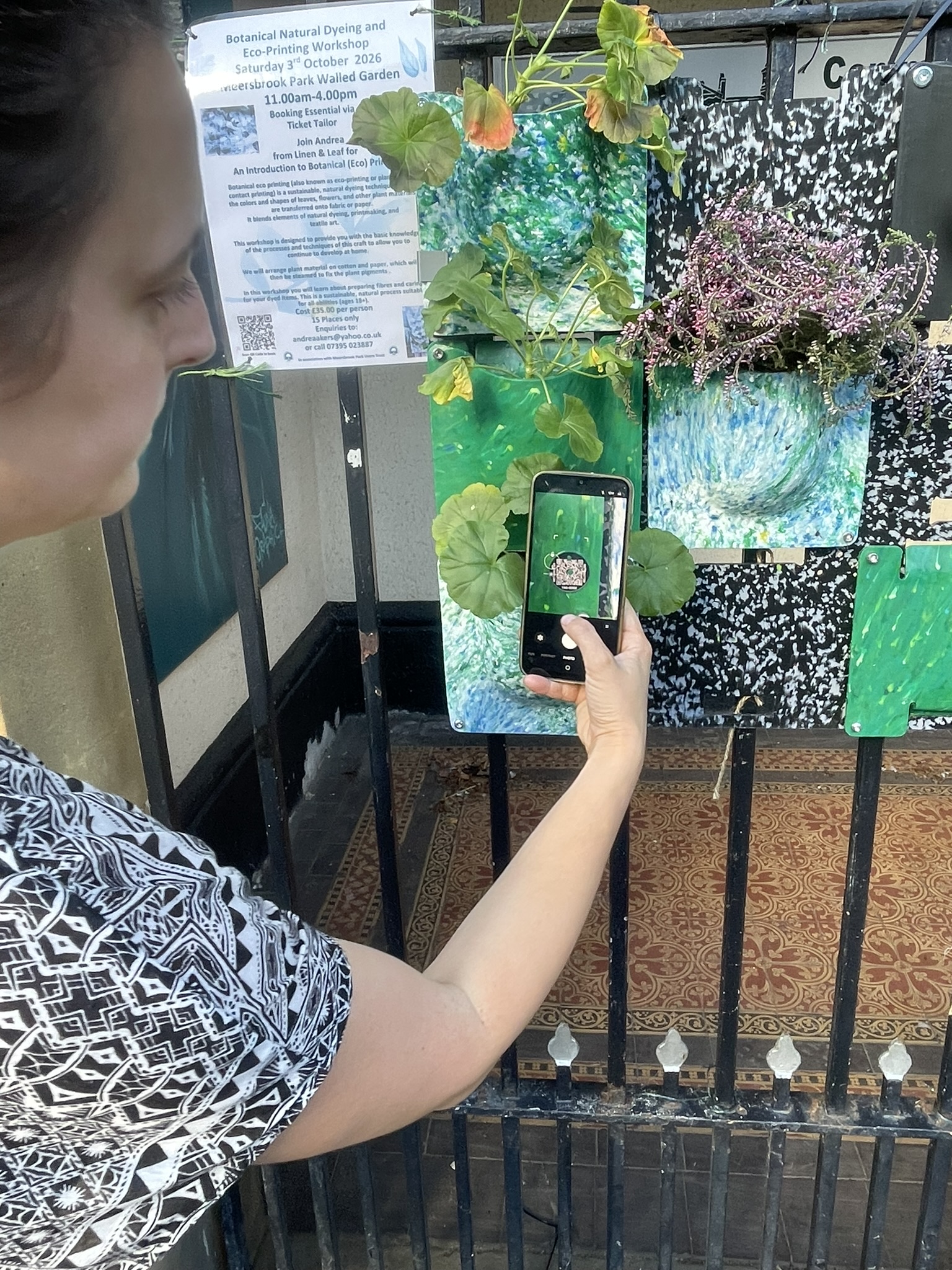
Our first product system is based around modular recycled-plastic planter tiles. Small components can combine into larger installations on walls and fences, creating a visible local outcome from material collected through the network.

For organisations

Choose how closely you want to follow your material.

MetaMatter offers different levels of participation and traceability. The service relationship covers collection where applicable, segregation and storage, material accounting, traceability and reporting. Products made from your material are priced separately, with bespoke product development quoted separately again.

The difference between the tiers is not simply how much material we collect. It is how much attribution, evidence and control you need.
Large modular planter wall in a public urban space
Ways to work with MetaMatter

One network. Different levels of traceability.

01 · Collection Point

Contribute to the shared pool

Become a registered contributor of approved material. Compatible material joins the general MetaMatter pool.

  • Registered collection point
  • Contribution recognised within the network
  • Material enters the shared pool
  • Milestone recognition where appropriate

Traceability:
Source → MetaMatter material pool

02 · Collect + Report

Measure your contribution

For organisations that want scheduled collection and a record of how much they contribute while material still joins the shared pool.

  • Scheduled collection on area-based rounds
  • Organisation-level contribution records
  • Material history and reporting
  • Reporting on pooled outcomes

Traceability:
Organisation → Collection → Pool → Recorded outcomes

03 · Track + Make

Follow your own material

For organisations that need stronger provenance. Approved material streams can accumulate as an organisation-specific batch and be linked to later products.

  • Organisation-specific material account
  • Material movements recorded
  • Processing and manufacturing records
  • DPP attribution on relevant products

Traceability:
Organisation → Batch → Processing → Manufacture → Product

04 · Develop

Design a new route for your material

For organisations with a specific material stream, product idea or circular design challenge. We can develop the collection, traceability, product, prototype, tooling and manufacturing route as a bespoke project.

Traceability:
Material source → Dedicated development route → Product + evidence

Traceability

Make the material story accessible.

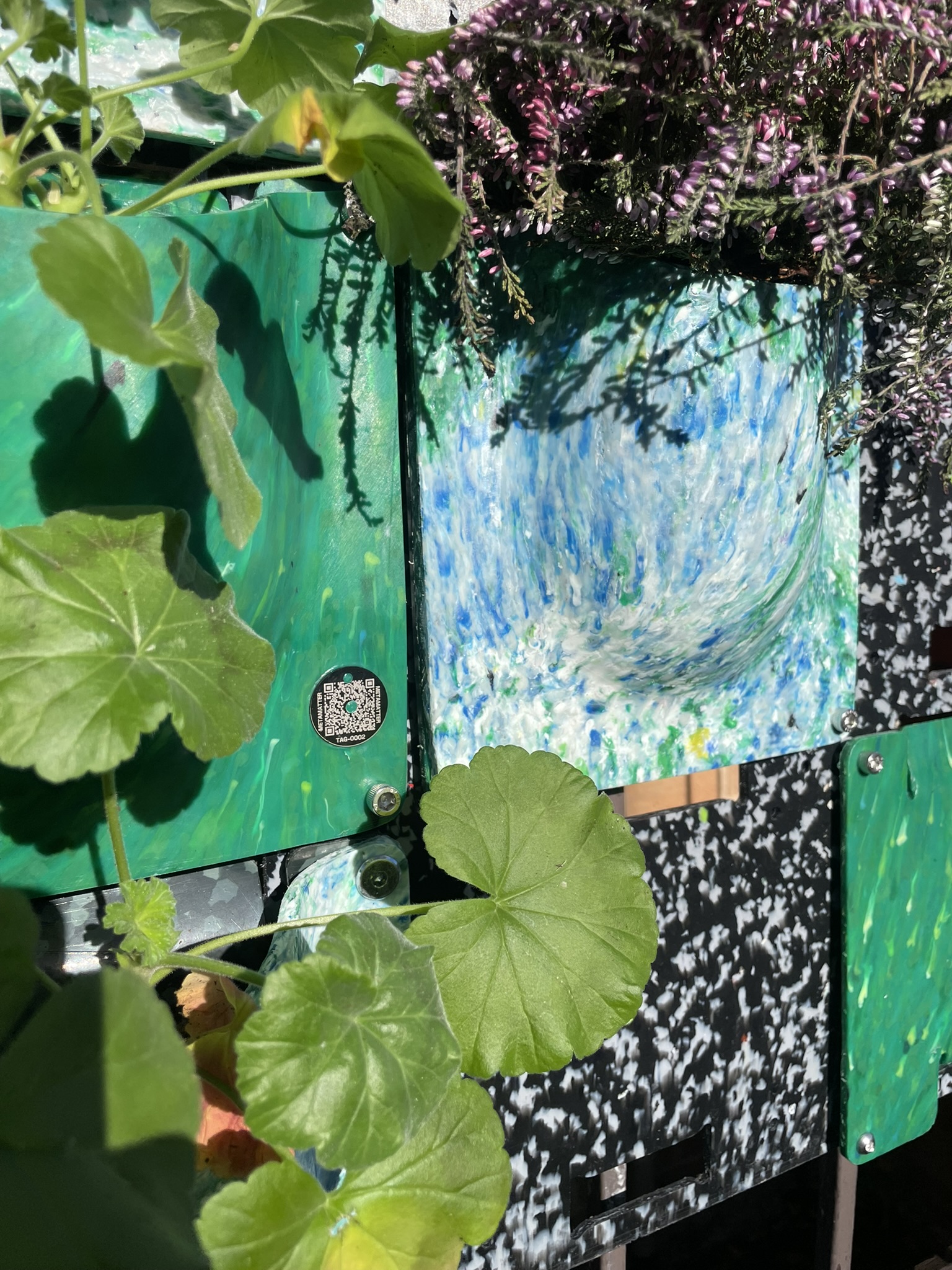
Where useful, MetaMatter products can carry a QR-linked Digital Product Passport connecting the physical object to relevant information about its material and manufacture.

A passport might include material type, contributing organisations, collection records, processing batches, manufacturing stages, makers, installation information and future recovery guidance.

It is not a sustainability badge. It is a way of showing what we know about the product and its material journey.

?
Did we contribute material?
Collection Point
?
How much did we contribute and what happened across the programme?
Collect + Report
?
What happened to our material?
Track + Make
?
Can we design a product and system around our material?
Develop
The network

Find a local place to contribute material.

Participating collection points form the visible front end of the MetaMatter network. Use the map to see active public collection points and find the closest one to you.

01
Automatically updated
The map reads active public collection points from the MetaMatter collection-point register.
02
Search nearby
Use your location or enter a postcode to rank collection points by distance.
03
Public by choice
Only locations explicitly enabled for the public map are displayed.
Take part

What role could you play in the network?

You might have useful material, a place that could host a collection point, an organisation that needs traceability, a project to develop, manufacturing capability, or simply an interest in learning and making.

MetaMatter is being developed as a practical, visible way for people to participate in the circular economy — not simply send material away and hope for the best.